How People React to Budget vs Luxury Cars: A Detailed Insight
 (1).jpg)
DETAILS
1. The Emotional Connection with Budget Cars
2. Luxury Cars: A Status Symbol and More
3. Social Perception and Peer Influence
4. Online Trends and Buying Behavior
5. The Practical Side: Maintenance and Running Costs
6. Financing and Ownership Trends
7. Future Outlook: EVs and the Budget-Luxury Divide
Key Differences Between Budget and Luxury Cars
| Feature | Budget Cars |
Luxury Cars
|
| Price Range | ₹4 lakh – ₹10 lakh | ₹40 lakh and above |
| Fuel | Efficiency High |
Moderate to low
|
| Features | Basic to mid-range features | Premium features, cutting-edge tech |
| Brand Perception | Practical, value-focused |
Prestigious, aspirational
|
| Maintenance Cost | Low | High |
| Insurance Premium | Affordable |
Expensive
|
| Target Audience | Families, first-time buyers |
Executives, entrepreneurs, elites
|
| Customization | Limited High | with luxury interiors |
Top Budget Cars in India (2025)
- Maruti Suzuki Swift – Affordable, reliable, and fuel-efficient
- Hyundai Grand i10 Nios – Smart looks, good mileage, value for money
- Tata Tiago – Strong build quality, great ride for the price
- Renault Kwid – Compact, stylish entry-level hatchback
- Maruti Suzuki Baleno – Premium hatchback with low running costs
Top Luxury Cars in India (2025)
- Mercedes-Benz C-Class – Stylish, comfortable, packed with tech
- BMW 3 Series – Sporty performance and luxury feel
- Audi A6 – Executive sedan with futuristic interiors
- Jaguar XF – Elegant and powerful with British charm
- Volvo XC60 – Safety-focused premium SUV with modern design
Advantages of Budget Cars vs Luxury Cars
| Budget Cars | Luxury Cars |
|
Affordable upfront cost
|
Premium design, interiors, and features
|
| Excellent fuel economy | Superior driving experience and engine performance |
| Lower insurance premiums | Advanced tech (cruise control, voice assistants, massage seats) |
| Cheaper maintenance and service |
High brand value and social prestige
|
| Ideal for city driving and compact spaces |
Better safety ratings and driver assistance systems
|
Latest News






Latest cars
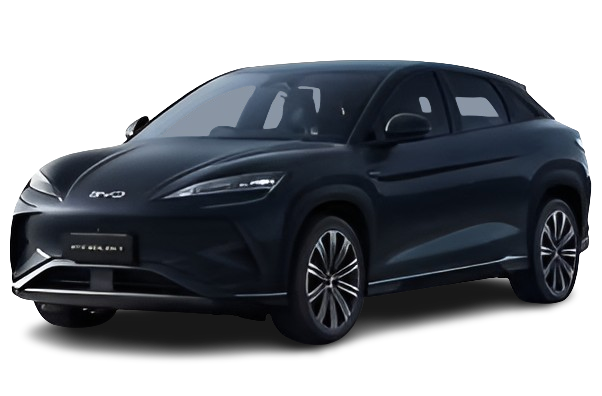
Rs.27.00 Lakh - 33.20 Lakh
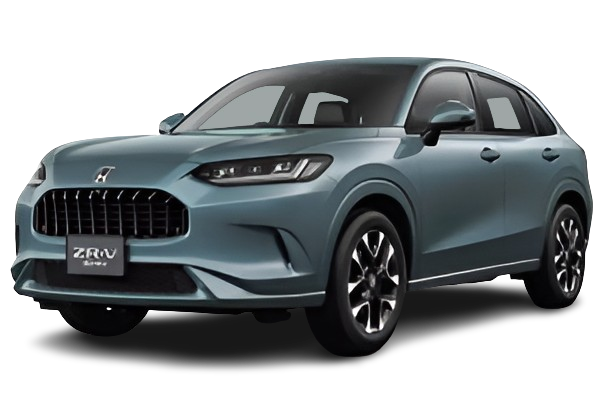
Rs.50.00 Lakh - 60.15 Lakh
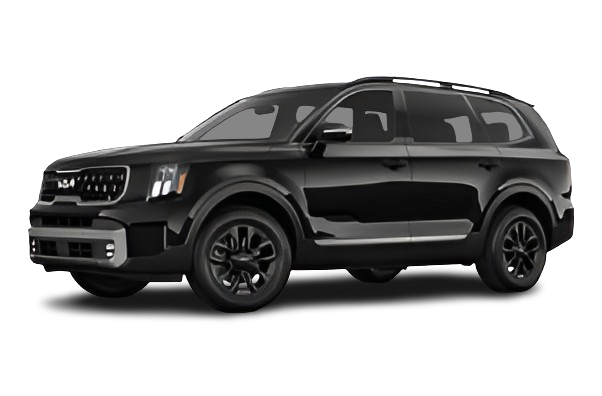
Rs.25.00 Lakh - 30.00 Lakh
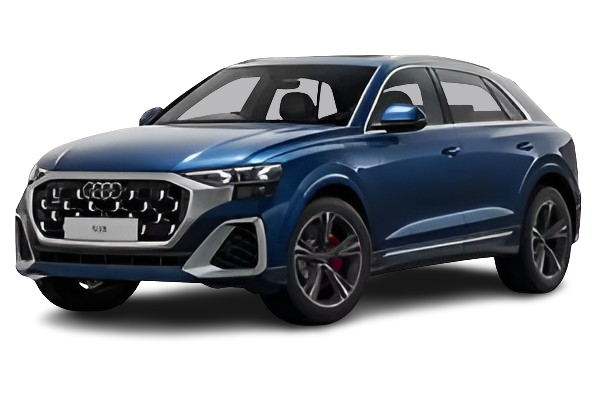
Rs.35.00 Lakh - 40.00 Lakh
Rs.1.60 Cr - 2.00 Cr
Upcoming cars
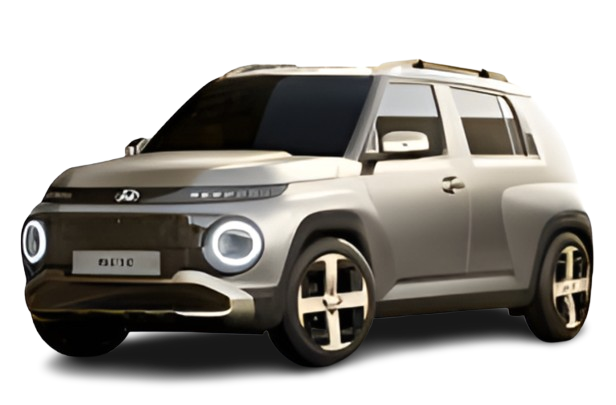
Rs.12.00 Lakh - 13.50 Lakh
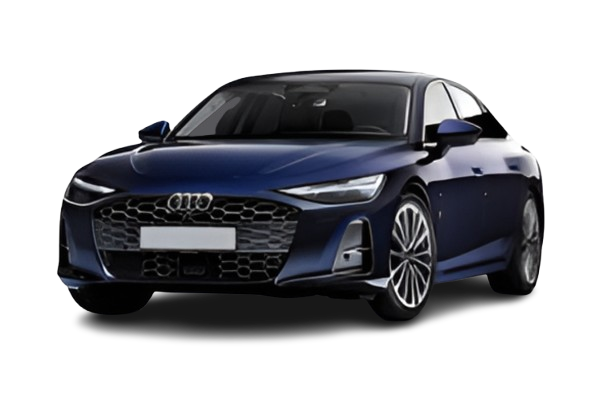
Rs.63.74 Lakh - 69.89 Lakh
Rs.25.00 Lakh - 30.00 Lakh
.png)
Rs.1.78 Cr - 2.90 Cr
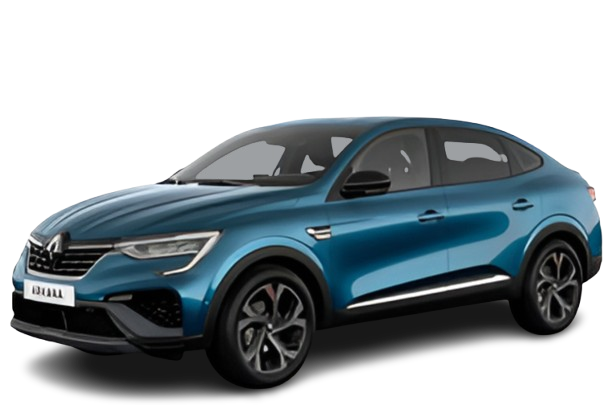
Rs.20 Lakh - 28.88 Lakh
More Related News
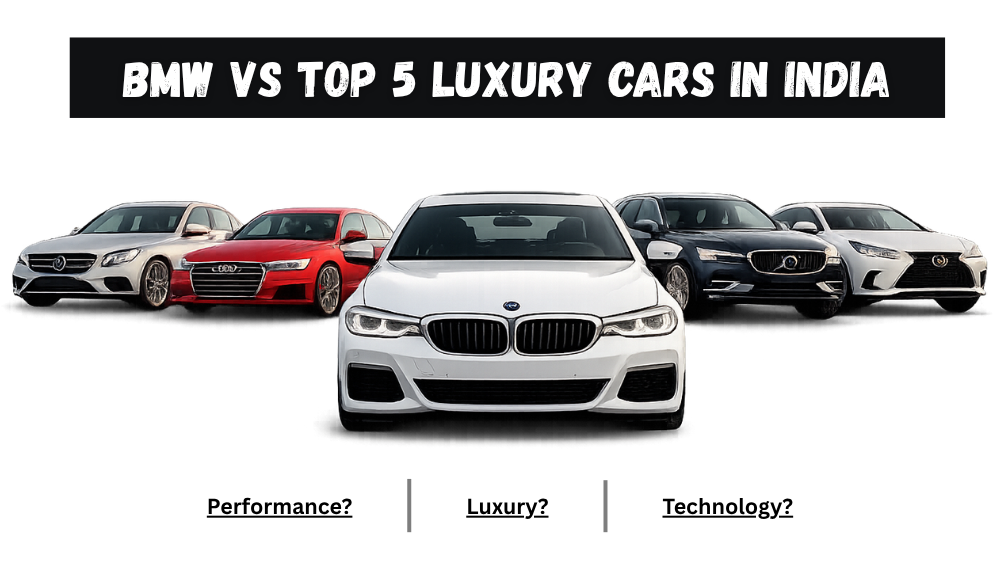
BMW vs Top 5 Luxury Cars in India: The One That’s Actually Worth It
The luxury car market in India has evolved rapidly, with buyers now expecting far more than just a premium badge. Today’s luxury car enthusiasts look for a perfect balance of performance, comfort, cutting-edge technology, brand value, and long-term reliability. In this competitive space, BMW has established itself as a driver-focused brand known for delivering a thrilling yet refined experience—but it’s no longer the only strong contender. Brands like Mercedes-Benz, Audi, Jaguar, Volvo, and Lexus have stepped up their game, offering equally compelling features, distinctive designs, and advanced innovations that cater to different driving preferences and lifestyles. Each brand brings something unique to the table, whether it’s unmatched comfort, futuristic technology, superior safety, or electrification. In this comparison, we take a closer look at BMW and its top five luxury rivals in India, breaking down their strengths, features, and overall value. If you’re planning to invest in a luxury car and wondering which brand truly offers the best return for your money, this guide will help you make a confident and informed decision.
Read More – Why Everyone Is Buying Them (1).png)
Top 20 SUV Cars in India (2026) – Why Everyone Is Buying Them
In recent years, the Indian automotive landscape has undergone a massive transformation—and at the center of this change is the rising dominance of SUVs. In 2026, SUVs are no longer just a preference; they have become the default choice for Indian car buyers. From young professionals in metro cities to large families in tier-2 and tier-3 towns, everyone is shifting toward SUVs. The reason is simple—modern SUVs combine style, practicality, safety, and performance in a way that no other segment currently matches. In this comprehensive guide on the Top 20 SUV Cars in India (2026), we not only list the most popular models but also explain why SUVs are dominating the market and which cars are truly worth considering.
Read More.png)
Top 10 Electric Cars in India (2026): Price, Specifications & Features
In 2026, the EV market is evolving faster than ever, with new launches, futuristic concepts, and long-range electric SUVs entering the scene. The electric cars in India 2026 segment has rapidly expanded, offering everything from budget-friendly EVs to high-end luxury electric vehicles. If you’re planning to switch to an EV, this guide covers the top 10 latest electric cars in India (2026) along with price, range, specifications, and features.
Read More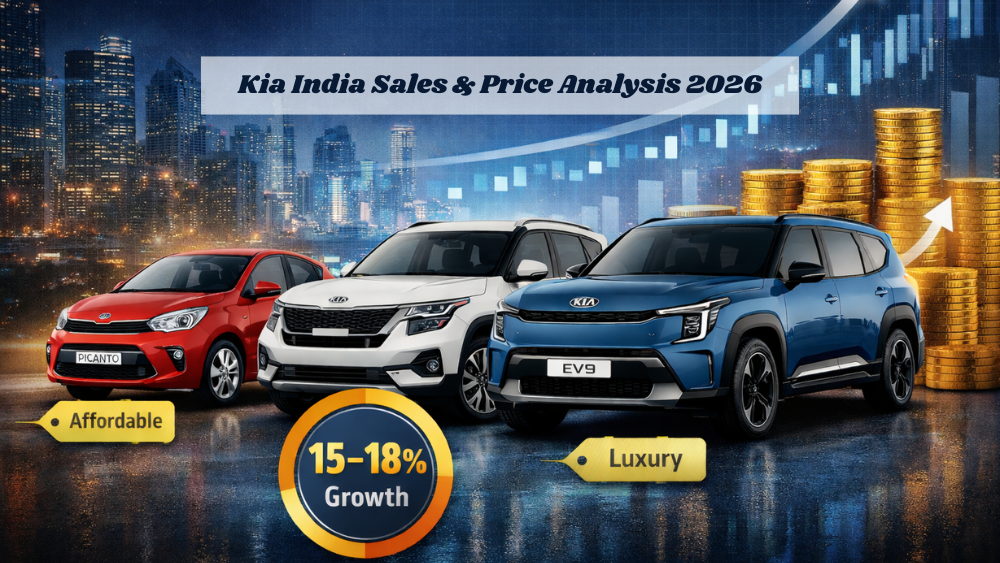
Kia India 2026: Cheapest to Most Expensive Models & Sales Growth
In 2026, Kia India delivered one of its strongest yearly performances since entering the Indian market. The company recorded approximately 2.81 lakh units in total sales, marking an impressive 15–18% year-on-year growth compared to 2025. This wasn’t just growth on paper. It reflected stronger demand across both SUV and MPV segments, where Kia has built a solid reputation. From metro cities to fast-growing Tier-2 and Tier-3 markets, buyers continued choosing Kia for its: Bold and modern design Feature-rich interiors Advanced safety technology Competitive pricing strategy Quarterly performance remained steady throughout the year, with Q4 emerging as the strongest period at nearly 79,000+ units sold, driven by festive demand and year-end offers.
Read More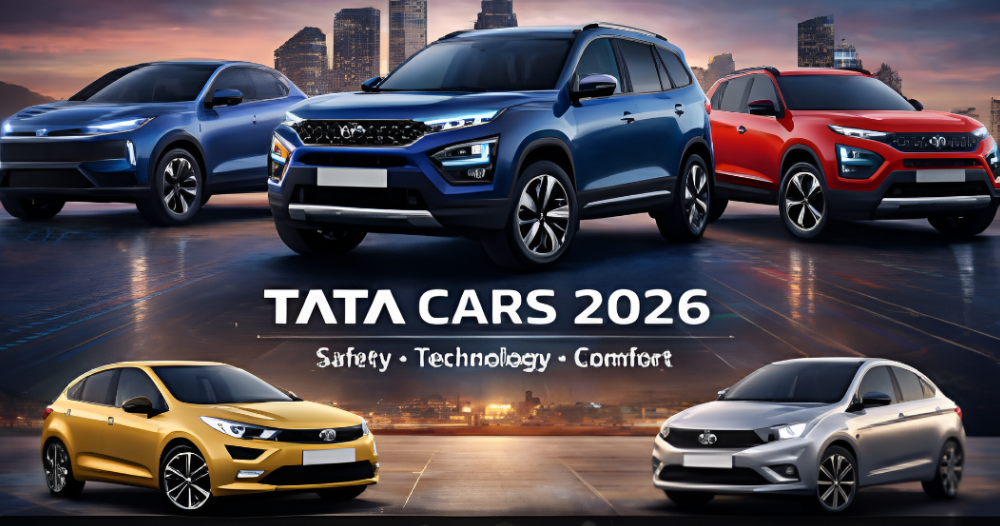
Tata Cars 2026: New Launches Every Tata Lover Should Know About
Tata Motors is preparing an exciting lineup for 2026, with major updates across SUVs, hatchbacks, sedans, and electric vehicles. The upcoming range reflects the brand’s clear focus on better safety, modern technology, improved performance, and future-ready mobility. For buyers who follow Tata closely, 2026 could be a year packed with meaningful upgrades rather than small cosmetic changes. From the premium and spacious Safari to the stylish Harrier, Tata is expected to refine its popular SUVs with enhanced features, improved cabin quality, and advanced safety systems like ADAS. At the same time, the Curvv EV is likely to push Tata’s electric vision forward with a futuristic design and practical driving range for Indian roads. In the more affordable segments, the Tigor and Altroz are expected to receive updated styling, smarter infotainment systems, and better everyday usability. These models will continue to target buyers who want strong build quality and value for money without stretching their budget.
Read More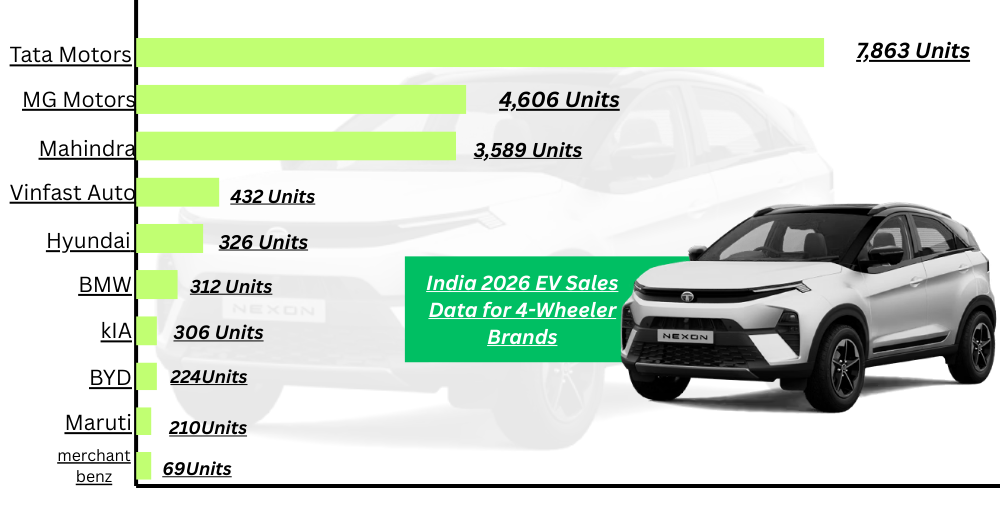
India 2026 EV Sales Data for 4-Wheeler Brands
India’s electric vehicle market is no longer just “growing.” It is evolving. And 2026 is shaping up to be a defining year for electric four-wheelers in the country. With more model choices, better charging access, and rising fuel costs, buyers are now seriously considering EVs as their primary vehicle. The latest January 2026 sales data clearly shows how the competition is shaping up among India’s top 4-wheeler EV brands. In this blog, we break down the official brand-wise sales numbers, analyze market trends, and understand what this means for the future of electric cars in India.
Read MoreSubscribe Now
Want to Know more about Upcoming and New
Cars… Ask Us!